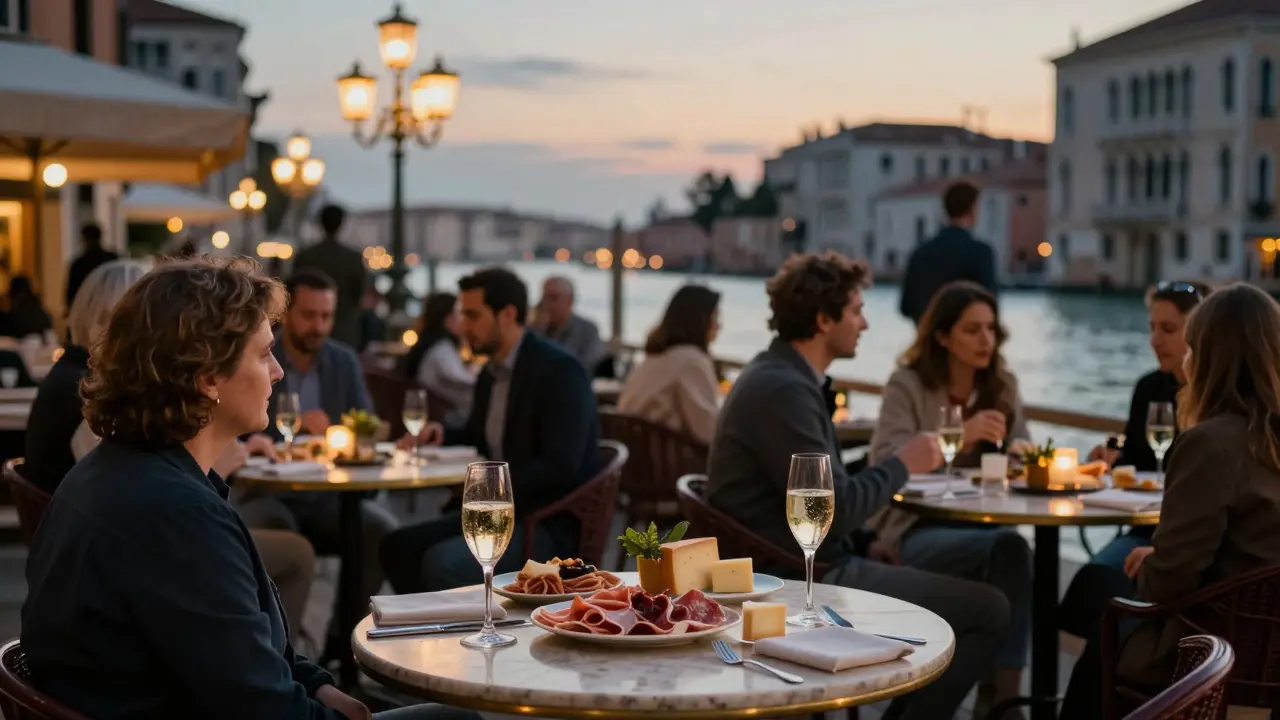
Milan does not simply switch off when the sun sets. In fact, the city truly wakes up around midnight. Many visitors miss this entirely because they assume Italian evenings are quiet after dinner, but that could not be further from the truth. If you plan your evening correctly, Milan Nightlife offers a spectrum of experiences ranging from casual canal-side drinking to world-class superclubs.
The biggest mistake travelers make is treating the evening as a single event. Instead, a successful night requires understanding the flow of time. An evening here is usually divided into three distinct acts: the aperitivo ritual, the main dining or bar-hopping phase, and finally, the dance floor. Let’s break down exactly how to navigate this schedule so you end the night on a high note instead of walking home at 2 AM.
The Golden Rule of Aperitivo
You cannot talk about Milan’s nights without addressing the Aperitivo. This tradition starts between 6:00 PM and 8:30 PM. Unlike a happy hour back home, this is not just about discounted drinks; it is about access to food. You pay for your drink, often priced between €12 and €20 depending on the neighborhood, and gain entry to a buffet spread.
In the trendy Navigli District, you might find plates loaded with cured meats, cheeses, and hot chips. In the upscale Quadrilatero della Moda, the focus shifts to refined small plates with artistic plating. Skipping this window forces you to pay full price for dinner later, which drains your budget quickly. The strategy is simple: fill up during the aperitivo, skip heavy dinner, and keep moving when the crowd dies down around 9:30 PM.
Choosing Your Battlefield: District Vibes
Not every corner of the city caters to the same crowd. Each neighborhood has a unique personality that dictates the dress code, noise level, and age demographic. Knowing where to put your shoes matters.
| Area | Vibe | Price Level | Best For |
|---|---|---|---|
| Navigli | Casual, Canal-side, Social | Mid-Range | Groups, People Watching |
| Brera | Boutique, Historic, Artistic | High | Date Nights, Craft Cocktails |
| Isola | Modern, Student-heavy, Trendy | Affordable | Young Crowds, Late Night |
| Duomo/Centro | Glamorous, Tourist-heavy, Fast-paced | Very High | Cocktail Lounges, Rooftops |
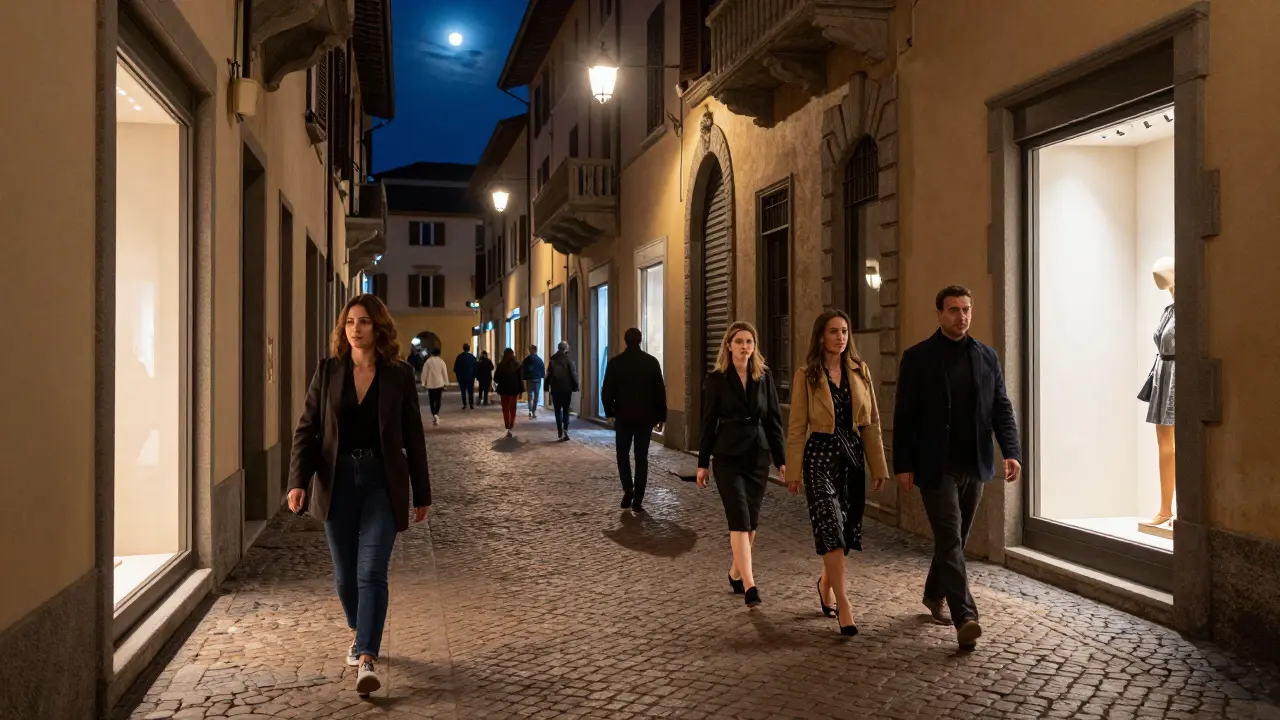
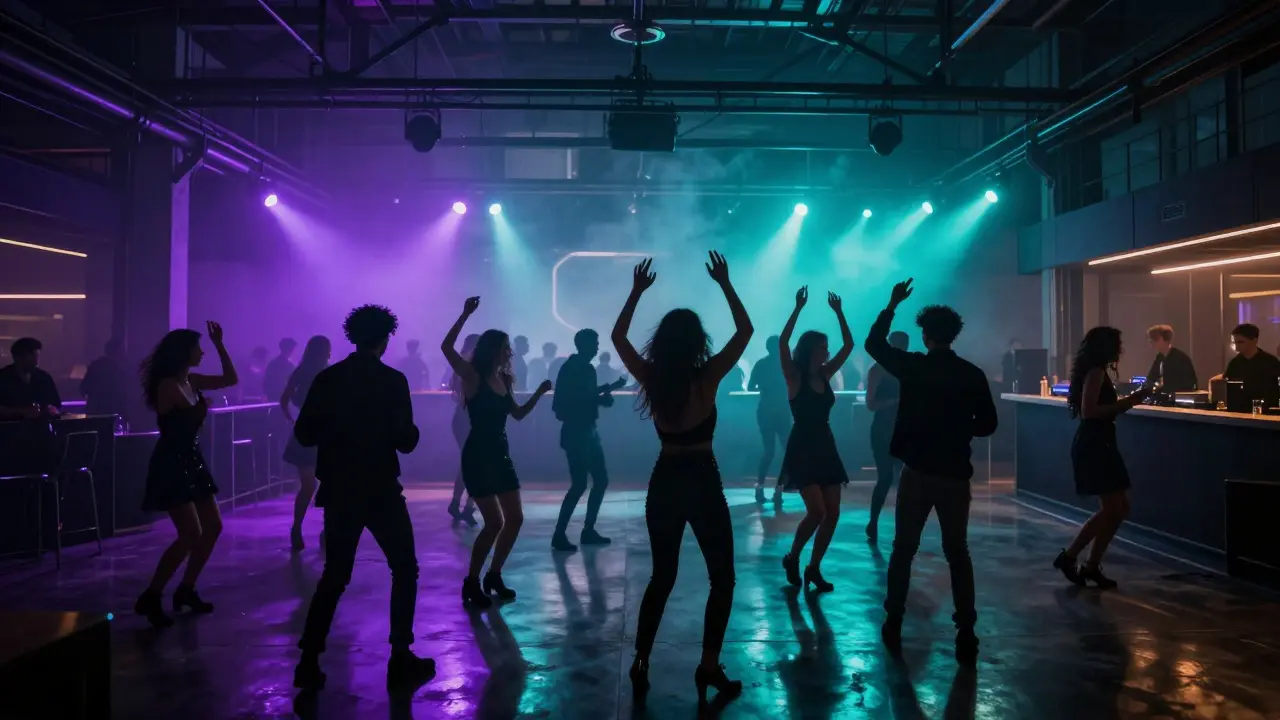
Start with Brera if you want intimate conversations. The narrow cobblestone streets are too tight for big raves, forcing establishments to focus on quality libations and interior design. The crowd here tends to be older, stylish, and less focused on loud bass. Conversely, head straight to Isola if you care about electronic music and late hours. This area stays alive past 4:00 AM, hosting industrial-style warehouses converted into dance floors.
Clubbing Mechanics: Do Not Walk In Blind
If you are hunting for the legendary status of venues like Studio 159 or similar top-tier spots, never show up at the door expecting immediate entry. Major nightclubs in Milan often enforce strict door policies based on gender balance and outfit. They fill up fast with reservations made weeks in advance via booking platforms.
Buying a 'list' ticket online beforehand guarantees entry and saves money. Prices for cover charges (the caparre) vary wildly. A standard club entry ranges from €20 to €40 including a drink. However, VIP tables command significantly higher minimum spends, often starting around €200 per person. If you are visiting during fashion week, expect premiums and stricter vetting. Regular Tuesdays and Thursdays are often less crowded than Saturdays, offering a more relaxed entry process.
Dress Codes and Expectations
You might wear sneakers and jeans during the day, but the night demands an upgrade. Milan maintains one of the highest standards for attire in Europe. Showing up in sportswear, flip-flops, or distressed clothing can result in rejection at the velvet rope. Men should opt for smart casual trousers and collared shirts. Women have more flexibility, but heels and tailored dresses dominate the premium scenes.
It sounds superficial, yet it is about respect for the venue and the other guests. In the Fashion District, the expectation peaks; think designer outerwear or polished leather goods. Even in the bohemian Navigli zone, keeping your look intentional rather than sloppy increases your chances of sitting at the best tables.
Money and Payment Logistics
By 2026, cash is virtually obsolete in major entertainment venues. Almost all bars and clubs now operate on card-only systems. Digital wallet integration is the norm. However, always carry some small notes for tipping service staff who prefer cash directly, even if you order via QR code.
Be aware of service fees. Some cocktail lounges add a percentage surcharge to the bill automatically, while others do not. Before ordering rounds of expensive spirits, check the menu for the term "coperto" or service charge notation. This prevents sticker shock when the tab hits €100+ per person unexpectedly.
Getting Home Safely
Metro lines close earlier than you might think, usually ending service around 1:00 AM on weekdays and slightly later on weekends. Taxis can be scarce outside these hours, and apps sometimes surge significantly. Uber operates in the region but functions differently than in the US, often requiring booking a licensed black cab through the app.
Safety is generally good in the main districts, but pickpockets thrive on distracted crowds leaving clubs. Keep phones secured in zipped pockets or bags held in front. Avoid displaying large amounts of cash when paying for transport at night. Most hotels offer shuttle services if you book in advance, providing a secure return to your room.
Frequently Asked Questions
What time does nightlife actually start in Milan?
Pre-game starts at 7:00 PM with aperitivo. Main club entry begins around 11:30 PM, with peak hours hitting at 1:00 AM. Venues stay open until sunrise on weekends.
Is it safe to walk alone at night in Milan?
Popular districts like Duomo and Brera are heavily patrolled and safe. However, stick to well-lit streets and avoid isolated parks near the train station areas late at night.
Do I need reservations for famous clubs?
Yes, for top venues like Studio 51 or Pacha, booking a spot in the queue or buying a presale ticket online is essential to guarantee admission.
Can I get into clubs with sneakers?
Clean, designer sneakers are often acceptable, especially in younger districts like Isola. Standard gym shoes or sports trainers are typically rejected by bouncers.
How much money should I bring for a night out?
Budget roughly €50 to €80 for drinks and covers. VIP experiences will require significantly more, starting at €150 per head.





Write a comment